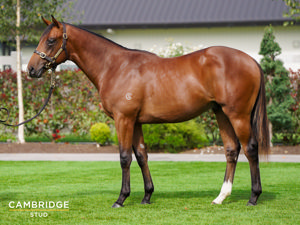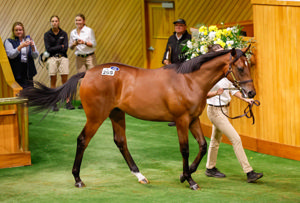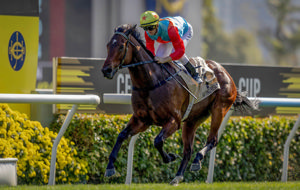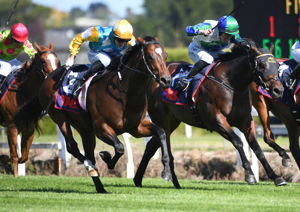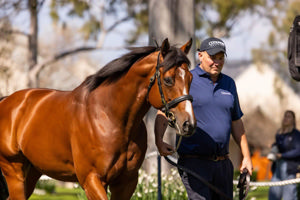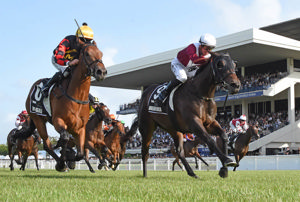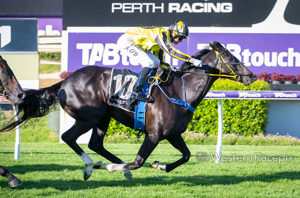
A conversation with somebody not involved in racing this morning got me thinking about the justification for racing two year-old thoroughbreds and why many in the outside world see this as some sort of cruelty and yet for those involved in the industry it’s one of the most interesting facets of our sport.
With the Magic Millions 2YO Classic on next month, the focus is very much on two year-old racing and while there are hundreds of babies in work at stables right around the country, only a small percentage of the foal crop will race as juveniles and fewer will succeed and win as juveniles.
For most of them, their juvenile season is about education and building the muscle, bone and mental skills required for successful competition later in life.
Thoroughbreds have been purpose bred for speed for over 200 years with the first Epsom Derby run in 1780. Over generations they have been selectively bred to mature faster and run faster than any other horse and like human athletes that succeed at the highest level of sport, they begin training for their destiny early in life.
We encourage our children to play sport and be active and if they show a particular talent in a particular field and have parents up for the challenge, those kids are pushed along and most Olympians were well and truly on their way by their early teenage years if not before.
Swimmers, runners, tennis players, gymnasts, football players, cricket players… if they get to the very top of their sport, invariably they’ve spent a lifetime doing it.
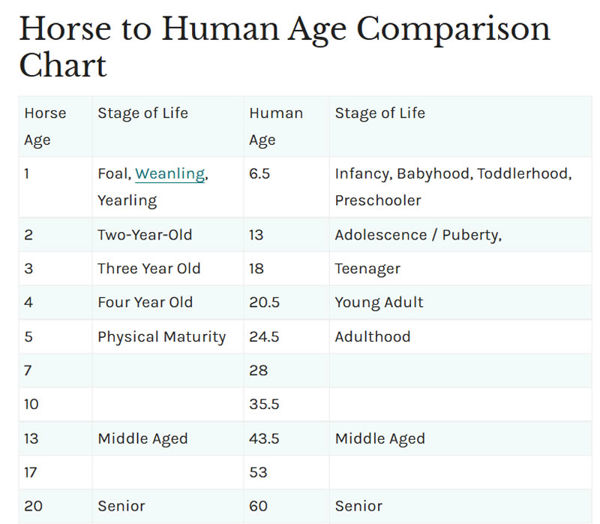
A look at the chart above comparing horse years to human years, shows that our two year-old horses are about the equivalent of 13 year old people and like the people, our two year-old horses compete largely against their peers at this age.
As three year-olds, equivalent of human 18 year-olds, they can sometimes match strides with the older horses, but usually receive a weight advantage to offset the physical disadvantage and by age four they begin to at attain full maturity, a process that goes on for several years.
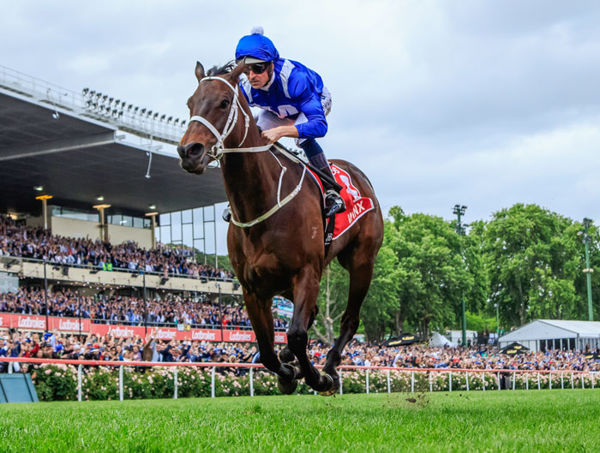
The great champion Winx is a glowing example of a well-managed horse that raced twice as a late season juvenile for two wins and trained on to win 37 of 43 starts, bowing out on a high at age seven with over $26million in prizemoney.
Thoroughbreds are bred with the aim of being elite athletes, not intellectual sit at home and pontificate types, and an important part of that process for the vast majority is education and training at two.
Not all of them are physically or mentally suited to athletic pursuits, as not all humas are suited to becoming professional athletes, but the early education with a good trainer is where we find out more about them and realistic decisions can be made to benefit the horse and it’s owners.
Statistically by the end of December only around 5% of the yearlings offered for sale have made it to the races and by the end of February when the Golden Slipper field is decided we’ve seen about 10%.
By the end of the season come late July we’ve usually seen about 25% of the yearlings offered for sale, so around three-quarters of the commercial foal crop don’t race at two, for them it’s all about education and process.